


The scholarly peer-reviewed journal journal "Observatory of Culture" publishes articles and other materials dedicated to culture and the arts. The Observatory of Culture has been published by the Russian State Library since 2004. In 2016, the journal started to be issued in volumes with continuous page numbering.
The Journal is included in the List of the Russian Peer-Reviewed Scholarly Journals and Other Editions in Which the Main Results of Doctoral Theses Are to Be Published held by the Higher Attestation Commission of the Ministry of Education and Science of the Russian Federation.
The Journal publishes articles, reviews, and academic materials that represent culture and arts studies as a part of both scholarly and educational activities including analysis of administrative practices and cultural policies, cultural life, creativity, etc.
The Journal endeavours to cover culture and art processes in their wholeness and diversity including representations of culture in the current social and political discourse, visual and performing arts, film and media, heritage and entertainment. The Editors believe that the diversity of scientific schools and topics, methods and approaches to the study of culture is essential and matches complexity of the subject.
The Editorial Staff accepts only original research papers and other research materials on culture and arts, which have never been published elsewhere and comply with the main subject sections. The main researching areas of the journal are:
• Philosophical Science;
• Art Studies;
• Cultural Science.
The Journal addresses to both professionals in the fields of culture and the arts and wider audiences interested in the related issues.
Current issue
 Open Access
 Subscription Access
CULTURAL REALITY
The accessibility of cultural goods for people with disabilities and special health needs has become an established state norm
The Cultural Environment, Accessible Environment, and Pushkin Card federal projects serve as the primary instruments of these transformation.
Cultural institutions underwent significant transformations at both the infrastructural and informational levels between 2022 and 2025.
Cultural organizations are now integrated into the comprehensive rehabilitation and habilitation system for individuals with disabilities.
Inclusive culture is expanding rapidly, generating new formats while broadening its geographic reach and audience engagement.
Inclusive culture is entering a new phase of development, generating new formats while broadening its geographic reach and audience engagement.
This article presents a comprehensive analysis of Russian state policy aimed at ensuring accessibility to culture for individuals with disabilities and limited health capabilities and their integration into the cultural life of society. Based on a detailed study of official reports from the Russian Ministry of Culture for 2022—2025, monitoring results from the Resource Educational and Methodological Center of the Russian State Specialized Academy of Arts, and federal statistical recods, the paper evaluates, the system of measures applied.
The study focuses on the institutional mechanisms for coordinating state policy and the dynamics of infrastructural change in key types of cultural institutions — libraries, theaters, museums, and cultural and leisure facilities. The results of the federal projects “Accessible Environment” and “Cultural Environment” are analyzed in detail. The role of the “Pushkin Card” program as a tool for stimulating change is assessed. Regional practices for engaging cultural organizations in the rehabilitation and habilitation of individuals with disabilities are examined.
Based on an analysis of data for the period 2022—2025, the measures taken are shown to be comprehensive and systemic. Their implementation has resulted in significant progress in creating physical, informational, and substantive accessibility to cultural goods for individuals with disabilities. This conclusion is supported by the sustained positive dynamics of key quantitative indicators over the four-year period.
Creative inclusion as a new concept of inclusive discourse is gradually gaining ontological strength. The scientific validity of this concept is established within the framework of the actor-subject and civilizational approaches. The goal of this study is to identify the specific features of creative inclusion as a new concept of inclusive discourse within the context of the unfolding of the Russian and Western European models of civilizational space, using philosophical methodology. To this end, the following objectives were addressed: the essential meaning of creative inclusion was revealed, the actor-subject principle for expanding its space was substantiated, and the value-semantic core of the Russian and Western European models of civilizational space was identified.
The application of the actor-subject and civilizational approaches made it possible to examine creative inclusion as a civilizational space capable of self-organization. The dialectical method enables the development of a dichotomy within the Russian and Western European civilizational models of creative inclusion. This method, applied to a retrospective analysis of Russian and Western European philosophical thought, allowed for the interpretation of its historical, cultural, and semantic significance.
This work identifies both universal and specific features of the Russian and Western European models of the civilizational space of creative inclusion. The choice of civilizational models is determined by the historical logic of the development of the space of creative inclusion, as well as the close sociocultural interconnection between the two civilizations. Vectors and prospects for their convergence are identified. Both models expand the space of creative inclusion. Understanding the specifics of these civilizational models and the prospects for their convergence contributes to the advancement of inclusive initiatives across different civilizational spaces.
In the context of the development of artificial intelligence (AI) and the onset of the technological singularity, the human being remains the most complex subject. This complexity specifically concerns the human capacity for transformation and adaptation as AI begins to self-improve at a speed that surpasses human intelligence, altering society with such intensity that threatens to outpace human adaptivity. To successfully navigate the technological singularity, humans require a combination of both diversity — the presence of varied, sometimes unique, and occasionally socially unrecognized qualities inherent to specific individuals — and resilience — the adaptive properties tailored to particular historical and sociocultural circumstances, characteristic of both the individual and society. However, for human development as a species and bearer of sociocultural attributes, a delicate balance is required between diversity and resilience, variability and certainty, and stabilization and development, tailored to specific historical circumstances. The study demonstrates that in the era of the singularity and AI development, the traditional cultural concepts of innovation and tradition become a primary source of contradictions. While innovation interrupts the sequence of events based on experience, tradition acts as the mechanism that anchors this previous experience; the tension between the two manifests in social development and is expressed in philosophical and scientific reflection on it. The author argues that the pursuit of innovation must always be anchored in the solid foundation of culture, which captures the human dimension of technological development and preserves the anthropological foundations of civilization.
IN SPACE OF ART AND CULTURAL LIFE
Let us recall a well-known line from the film Muzhiki! (Men, 1981): “...Why do we love some women, yet marry others? Now that’s one of nature’s mysteries!” Something similar happens with movies. Some films we watch over and over again, while others, despite impressive box-office success, are never rewatched. This very mystery became the starting point of our study.
The first stage of the research was an analysis of nationwide surveys on Russians’ film preferences.
However, nationwide surveys conducted over the past fifteen years contain virtually no information about films that audiences watch repeatedly. This blank spot prompted us to conduct our own survey. Comparing the new findings with the results of earlier polls provided a more complete picture of the films with which Russians form enduring, years-long relationships.
This study is part of a larger project exploring the phenomenon of Russian audiences’ sustained emotional attachment to specific films and the mechanisms by which cultural heritage is formed in cinema. The relevance of this article stems from the fact that empirical studies exploring long-term audience preferences (as opposed to short-term market indicators) are clearly insufficient amid the debate about the cultural crisis of Russian cinema.
The goal of this article is to establish an empirical basis for studying the mechanisms of cultural memory in cinema, as well as to reasonably support or refute the existence of a cultural crisis in contemporary Russian cinema. The academic novelty stems not only from the systematization of data on audience preferences in Russia but also from the uniqueness of the author’s methodology for identifying categorical preferences for specific films. The methodological framework is based on regular nationwide surveys on audiences’ cinematic interests, alongside data from the author’s own questionnaire focusing on films that Russian viewers rewatch multiple times. In this study, rewatchability is defined as a sustained practice of voluntary, repeated viewings of films long after their initial exposure. This practice is not driven by external factors (sequels, remakes, etc.), but is rooted in the internal emotional and aesthetic needs of the viewers. It is a mass phenomenon, manifested in the repetition of the same choices among different respondents.
The results demonstrate significant differences between contemporary Russian cinema and Soviet-era cinematographic works in terms of their representation in the practice of repeat viewings. Comparative systemic analysis enables the formation of a comprehensive empirical picture of the characteristics of long-term viewer choice and the retention of films in the cultural memory of Russian audiences. The presented material provides a foundation for further study of the audiovisual, narrative, linguistic, and axiological factors that influence the formation of viewers’ sustained emotional attachment to films.
This article explores the soundscape as a form of contemporary media art, focusing on its artistic and technological aspects. The concept of the soundscape is examined within the framework of R.M. Schafer’s acoustic ecology, S. Voegelin’s phenomenology of listening, and socio-political approaches to sound developed by B. LaBelle and S. Goodman. The study traces the shift from understanding the soundscape as a primarily natural or urban acoustic background to conceptualizing it as a media environment shaped by technological, cultural, and social processes. An analysis of the artistic practices of C. Kubisch, B. Fontana, B. LaBelle, and other authors, as well as projects using algorithmic generation, sound mapping, and audio-augmented reality, demonstrates that sound in media art ceases to be a peripheral component of artistic form and becomes its conceptual and structure-forming element. The soundscape is examined as a field of interaction between space, technology, and the listener, as well as a tool for exploring urban environments, collective memory, and sociocultural processes. Particular attention is paid to the influence of digital technologies on the transformation of sound practices: from documenting the acoustic environment to its modeling, algorithmic analysis, and artistic design. The article concludes that, in the context of digitalization, the soundscape acquires the status of a medial environment in which sound becomes not only an object of aesthetic perception but also a means of critical reflection on the sociocultural and technological reality of the digital age.
HERITAGE
This article analyzes the creative style of Russian female artists at the turn of the 19th and 20th centuries, identifying its characteristics influenced by various trends and styles in the visual arts of Russia and other European countries. It is noted that women’s later and more gradual entry into professional education and the full-fledged artistic process (participation in exhibitions and the opportunity to sell their works on an equal basis with men) resulted in their works exhibiting features of imitation of borrowed originals.
Currently, the problem of imitation in the work of female artists is a new and unexplored topic in Russian art criticism, which determines its relevance. The concept of “imitation” itself (as well as related definitions regarding paintings and graphic works) is insufficiently developed and remains controversial. The purpose of this study is to analyze the phenomenon of imitation, outline the range of related terms, and identify examples of artistic influences on female painters in Russian art. A typological analysis of borrowings is conducted from the perspective of the transformation, reinterpretation, and reworking of the original artistic source.
The author divides the phenomenon of imitation into two types: copy-based imitation and creative imitation. Copy-based imitation (epigony, compilation, replication, quotation, imitation, as exemplified by A.M. Zelmanova) can be considered less “creative” in terms of artistic treatment and reinterpretation of the original. Creative imitation (stylization, variation, allusion, interpretation, reminiscence) is viewed as a more original approach to the work of female artists of the late 19th and early 20th centuries: O.L. Della-Vos-Kardovskaya, E.K. Luksh-Makovskaya, M.V. Yakunchikova-Weber, M.M. Savinova, M.V. Sabashnikova, E.N. Klakacheva, and E.A. Kiseleva. It is concluded that the stylistic features of women’s painting were based on imitation and the combination of “one’s own” and “someone else’s” during the stages of forming their individual creative manner.
NAMES. PORTRAITS
This article attempts to apply the theological methodology of the Russian Orthodox thinker Vladimir Nikolaevich Lossky (1903—1958) to the analysis of the ontological foundations of culture. The fundamental thesis of this methodology is the assertion of a direct relationship between Christian doctrine and the cultural tradition it engendered. V.N. Lossky emphasizes the total mystical nature of Orthodox theology, defining mysticism (theology) as the primary practical action. This allows him to assert that various Christian dogmas shape different types of spiritual life, which, in turn, determine the specific nature of culture. The ground for this argument lies in the thinker’s definition of the contemporary era (after the Nativity of Christ) as ecclesiological, and the Church as its ontological basis. The ecclesiological nature of the era is revealed even in an environment neutral or hostile to faith, since, according to V.N. Lossky, nothing in the world exists that is neutral in relation to the Church, through which world history unfolds. V.N. Lossky replaces the secular principle of cultural universalism with the theological principle of the universality of the Church. Doctrine defines life, dogma defines culture. The philosopher does not create a separate “theology of culture”, but his method, based on the primacy of dogma over cultural forms, allows for a rethinking of the classical problems of the relationship between faith, culture, and national identity. The author believes that V.N. Lossky’s theological method can be applied to further philosophical analysis of contemporary cultural practices, and its deeper development is crucial in the context of the search for answers to the question of the ideological foundations of culture, including Russian culture.
CURRICULUM
The names of A.V. Prakhov, N.N. Punin, M.S. Kagan, and N.N. Kalitina represent the pride and glory of our Alma Mater. It was these scholars who laid the foundations of the St. Petersburg art history tradition, becoming its main symbols.
Behind the external academic respectability of the discipline lies a complex history of its formation.
The science of beauty inevitably yielded to the harsh reality of ideological censorship.
Ideological purges and the campaign against “cosmopolitanism” threatened the very existence of free scholarly thought.
The Department of Art History at the Imperial Saint Petersburg University (now the Art History Department of the Institute of History of Saint Petersburg State University) was established by the Ministry of Public Education in 1863. The department’s history has not yet been written; however, this article examines two attempts to establish it — two beginnings that enabled the development of art history at the Saint Petersburg University.
The subject of art history was first discussed at the Imperial Saint Petersburg University with the approval of the Charter of Imperial Universities in 1863. However, the Ministry of Public Education’s efforts to fill the vacant department at the university were unsuccessful. The first lecture on art history was given only on March 6, 1874. The second attempt to establish an art history major at Leningrad State University, made in 1940, was associated with I.I. Ioffe, who dreamed of opening an art history department that would encompass all the arts — spatial, temporal, and synthetic. However, this time, too, the department was only reopened nearly five years later. In 1944, after the university’s return from evacuation, thanks to the efforts of Rector A.A. Voznesensky, the Art History Department opened with three-year groups admitted simultaneously. Among the students in the first post-war years were renowned alumni M.S. Kagan and N.N. Kalitina, honorary professors of St. Petersburg State University, who left behind memoirs of their years of studying and teaching in the Art History Department.
Society’s need for understanding art led to the establishment of the Art History Department at the Imperial St. Petersburg University, first in the 19th century and then its restoration in the 20th century. During these periods, not only were educational standards for art history developed but a solid foundation was also laid for its further development in Russia.
ORBIS LITTERARUM
Bengali-American writer J. Lahiri, a Pulitzer Prize winner, is among those critics call representatives of ethnic literature. She explores the experiences of immigrants (Indians in America) and the gaps they face between their native and adopted cultures. Her stories focus on identity and ethnicity. Lahiri’s works offer insights into national and cultural diversity, which accounts for the relevance of this article; in today’s multipolar world, cultural interactions are constant, and the importance of understanding these dynamics within fiction is undeniable. The article aims to characterize not only the specific features of Indian culture but also its hybrid variants, which emerge from the characters’ attempts to adapt to a new environment. A study of J. Lahiri’s works requires not only traditional methods (biographical, cultural-historical, comparative), but also an interdisciplinary approach drawing primarily on developments in cultural linguistics and intercultural communication. In examining the text, we focus on the cultural parameters proposed by G. Hofstede and E. Hall: power distance, individualism-collectivism, masculinity-femininity, and high-context and low-context cultures. An analysis of J. Lahiri’s Interpreter of Maladies demonstrates that texts created within the framework of ethnic literature represent complex cultural and linguistic phenomena rich in cultural information. Such works can be viewed as a source of information about the culture and specific aspects of Indian life (at home and in immigration), helping to understand their worldview. Readers who encounter such a work of fiction but belong to a different linguistic culture must consider the ethnocultural specifics of the text being studied in order to interpret it correctly. This layer of American literature has only recently become a subject of scholarly interest. Its detailed study will significantly expand and deepen our understanding of current trends in the contemporary American literary landscape.
This article presents a comparative analysis of the woodblock print cycles by Chen Hongshuo (1598—1652, China) and Utagawa Kuniyoshi (1798—1861, Japan), illustrating the Chinese classic novel Water Margin. The study is highly relevant as the novel has shaped enduring visual imagery in East Asian cultures for four centuries; however, a parallel study of the Chinese and Japanese graphic traditions depicting the same literary plot has not previously been undertaken. The scholarly novelty of the work lies in comparing these two national schools of woodblock printing within a single methodological framework and identifying the cultural and historical factors that determined their stylistic differences. The research material comprises 40 sheets from Chen Hongshuo’s 1626 series and 74 sheets from Utagawa Kuniyoshi’s 1827—1830 series, The 108 Heroes of the Suikoden. The methodology integrates comparative, iconographic, and historical-cultural analysis. The study clarifies the iconographic sources of the two artists’ illustrations, traces the influence of Confucian-Taoist symbolism and samurai-Buddhist motifs, and identifies the role of the late Ming elite and Edo urban audiences in shaping the visual code of the works.
It was established that Chen Hongshuo, using a fine monochrome line, emphasizes the moral and philosophical dimension of his characters, while Utagawa Kuniyoshi, employing a vibrant multicolor palette and dynamic composition, emphasizes the heroic and martial nature of his works. The theoretical significance of the study lies in its clarification of the mechanisms by which a literary text is transformed into visual imagery during cross-cultural adaptation. Its practical significance lies in the potential application of its findings in museum exhibition and curatorial work, the development of educational courses on the history of Chinese and Japanese art, and the creation of digital catalogues of East Asian graphic art.
JOINT OF TIME
The music publishing industry, as one of the dynamically developing areas of 19th-century Russian culture, is undoubtedly of interest in terms of the commercial and creative pursuits of its prominent representatives. This primarily concerns the enterprise owners who determined the direction and strategic paths of music printing, the major entrepreneurs and leading figures in the Russian business world. The personal factor, serving as a crucial characteristic of this process, reflects its content and essence, allowing researchers to highlight the commercial image, high professional standards, history, and significance of music publishing firms.
In the unity of the “sublime and the mundane”, individual style and approach are formed, marking peaks of achievement in the era of rapid capitalist development. The unique synthesis of a love of music and financial profit, which accompanied the music publishing industry in the pre-revolutionary period, opens new prospects for its study through documentary evidence and materials introduced into scholarly discourse for the first time. These materials acquire their significance in the context of shaping the cultural foundations of the era, establishing cause-and-effect relationships, and comprehending the results obtained. One example of this is the music publishing firm “M. Bernard”. To date, its activities remain under-researched and are of undoubted interest in terms of its publishing profile, which includes piano literature, children’s repertoire, vocal music, M.I. Bernard’s own compositions, and the Nouvellist magazine. The focus is placed on little-known sources, catalogues, and sheet music from the collections of the Russian State Library (RSL), which allow researchers to determine the scope of interests, character, and specifics of the firm’s operations and, overall, the owner’s talent and eccentricity.
Information for Authors and Reviewers
Requirements to Information and Articles
Announcements
2026-02-02
Всероссийский семинар «Признание обществом заслуг ветеранов СВО: роль библиотек»
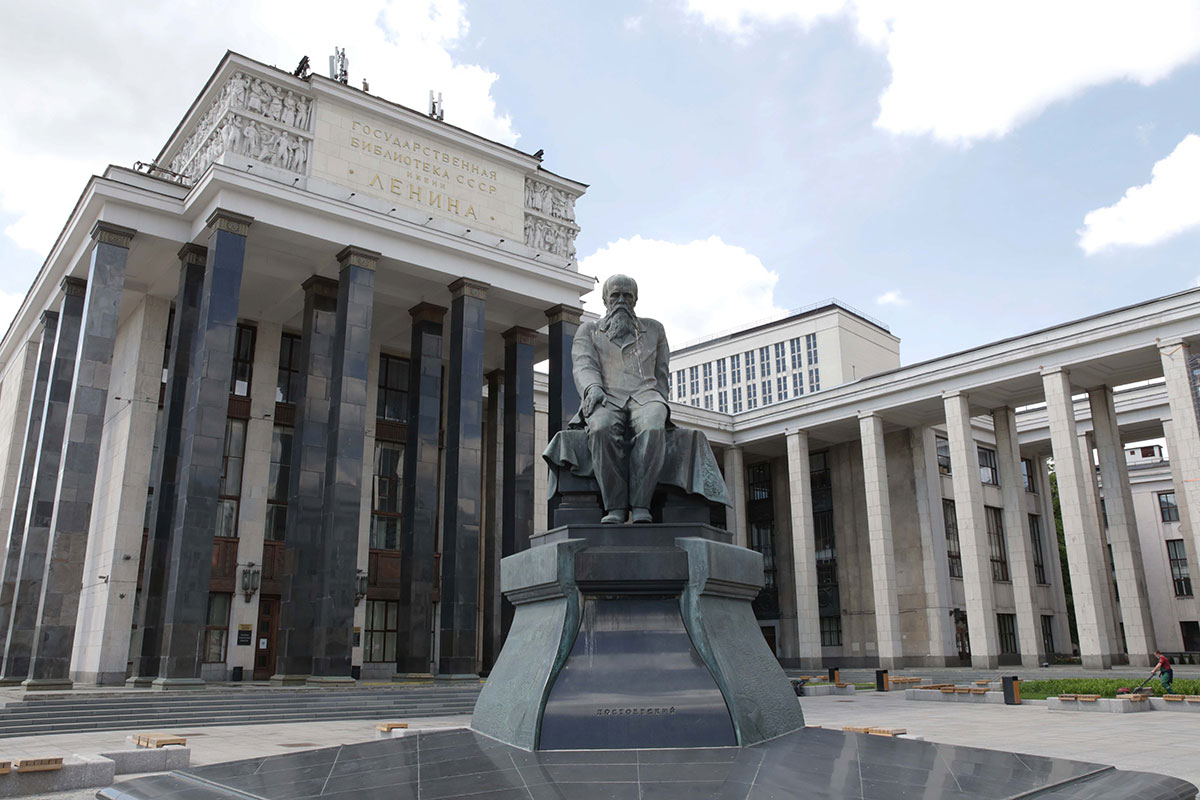 Российская государственная библиотека и Российская библиотечная ассоциация приглашают принять участие во Всероссийском научно-практическом семинаре о роли и возможностях библиотек в оказании поддержки ветеранов специальной военной операции и членов их семей.
2025-12-30
Почетная грамота Президента РФ
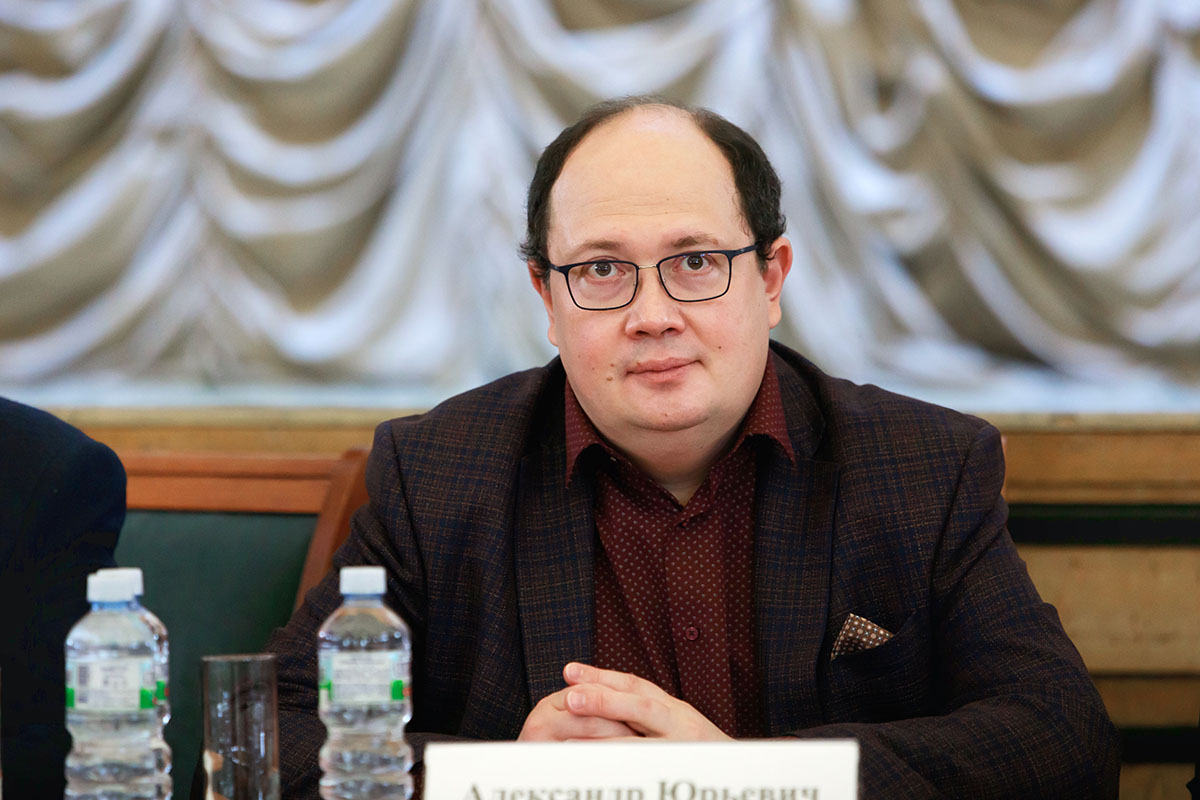 За активное участие в подготовке и проведении общественно значимых мероприятий Почетной грамотой Президента Российской Федерации награжден заместитель генерального директора Российской государственной библиотеки по научно-издательской работе, доктор исторических наук, доцент, заслуженный работник культуры Российской Федерации Александр Юрьевич Самарин, член редакционного совета журнала «Обсерватория культуры» и редколлегии журнала «Библиография и книговедение», главный редактор журнала «Библиотековедение» (Распоряжение Президента РФ № 514-рп, от 29.12.2025).
Поздравляем Александра Юрьевича и желаем ему новых творческих достижений!
2025-09-19
Научные журналы РГБ вошли в Белый список
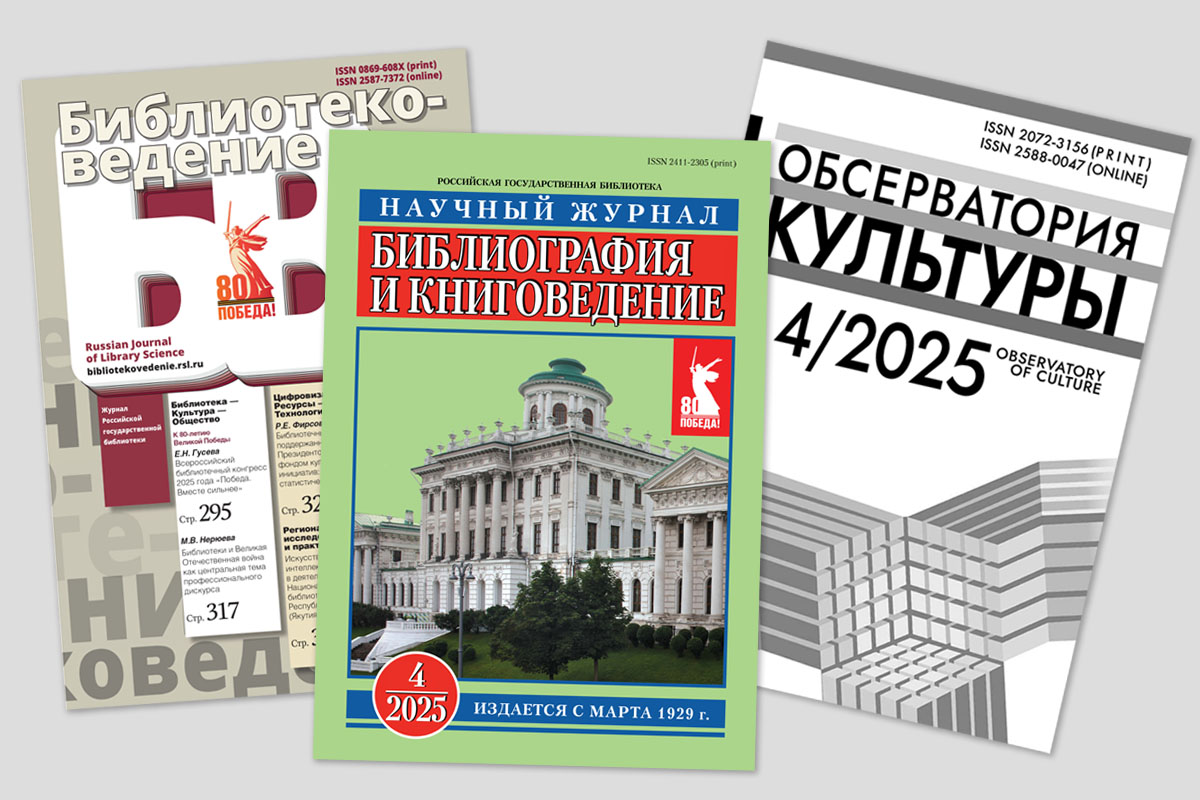 Завершена работа по формированию Единого государственного перечня научных изданий — Белого списка, который в скором времени заменит Перечень ВАК. В российскую часть нового списка вошло 3120 журналов, распределённых по 4 уровням, где 1-й уровень — самый высокий. Белый список опубликован на сайте Российского центра научной информации 12 сентября 2025 года.
| More Announcements... |


